Defaulting on a loan or credit card EMI brings immense psychological pressure, primarily driven by relentless collection calls from banks and recovery agents. During times of severe financial hardship, anxiety can lead borrowers to make emotional decisions that significantly worsen their legal and financial standing.
While recovery agents are legally obligated to follow Reserve Bank of India (RBI) guidelines, distressed borrowers often make critical missteps when responding to collection calls. Here are the top 10 mistakes borrowers should avoid after defaulting on a loan.
1. Avoiding or Ignoring Recovery Calls Completely
Switched-off phones or unanswered calls signal to the lender that you are deliberately dodging repayment. This often prompts banks to escalate recovery actions, dispatch field agents to your residence, or initiate legal proceedings much faster. Answer calls calmly and state your financial situation clearly.
2. Making False Promises or Unrealistic Payment Commitments
Agreeing to impossible repayment dates just to end a stressful phone call is counterproductive. When you repeatedly break verbal commitments, banks label you an uncooperative borrower, damaging your credibility during future compromise negotiations.
3. Succumbing to Intimidation and Panic
Recovery agents frequently use high-pressure tactics or make misleading claims about immediate arrest, police action, or asset seizure. Loan default is a civil matter, not a criminal offense. Panicking leads to poor choices, such as taking high-interest informal loans to pay a single EMI.
4. Borrowing Fresh Funds to Pay Existing EMIs
Taking personal loans, utilizing high-interest credit card cash advances, or borrowing from unregulated instant loan apps to clear existing debt traps you in a severe debt spiral. Never clear one debt by creating an even costlier financial obligation.
5. Disclosing Confidential Personal or Financial Information
During recovery calls, avoid revealing details about new bank accounts, secondary family assets, or updated employment details. Collection agents may use this information to attach liens or pressure employer contact channels.
6. Failing to Maintain Written Records of Communications
Verbal agreements made over phone calls carry no legal weight. Always keep a detailed record of calls, including the agent’s name, timestamp, agency name, and summary of the discussion. Request all formal repayment demands or hardship considerations in writing.
7. Accepting Informal Verbal Settlement Offers
If a recovery agent promises a discount or debt reduction over a phone call, never make any payment until you receive an official, written settlement sanction letter on the bank’s official letterhead. Verbal promises are completely unenforceable.
Navigating Recovery Pressure with Expert Guidance
Handling constant recovery pressure while managing financial distress requires professional support. Partnering with a dedicated loan settlement agency helps protect you from unlawful recovery tactics while establishing formal lines of communication with lenders.
Professional loan settlement services act as an effective buffer between borrowers and recovery agents, ensuring that all interactions adhere strictly to RBI fair practice guidelines and legal frameworks.
Resolving Loan Default Through Structured Negotiation
Engaging an experienced loan settlement expert enables you to assess your total liabilities and present a legitimate financial hardship case to bank credit committees. Through a structured loan settlement process, you can stop recovery harassment, negotiate a waiver on penal charges, and settle your debt within your actual repayment capacity.
8. Allowing Agents to Violate RBI Fair Practice Guidelines
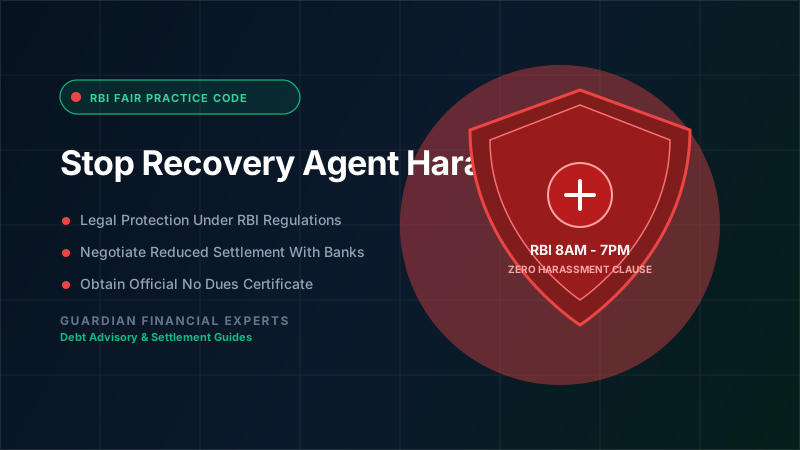
RBI guidelines strictly prohibit agents from calling before 8 AM or after 7 PM, using offensive language, or contacting your friends and relatives. Allowing agents to violate these rules without reporting them encourages continued harassment.
9. Neglecting to File Formal Harassment Complaints
If an agent threatens physical harm, visits your workplace unannounced, or harasses family members, do not remain silent. File a formal written complaint with the bank’s Principal Nodal Officer and escalate the issue directly to the RBI Banking Ombudsman if unaddressed.
10. Waiting Too Long to Seek Professional Resolution
Hoping that debt will simply disappear over time allows interest and penal charges to compound exponentially. Seeking early resolution prevents accounts from slipping deeper into long-term litigation or asset attachment.
Final Words
Experiencing financial hardship does not strip you of your fundamental legal rights as a borrower. By avoiding these common mistakes, documenting all interactions, and seeking professional resolution, you can stop harassment, protect your dignity, and successfully navigate your way back to financial freedom.