When monthly debt obligations begin to strain your household budget, finding immediate cash to cover upcoming Equated Monthly Installment (EMI) deadlines becomes a top priority. In moments of severe financial stress, taking out a new loan—or using credit card cash advances—to pay off existing monthly dues often feels like a practical, temporary fix.
However, taking from one loan source to service another creates a dangerous pattern known as debt cycling. While this strategy might buy you a few extra weeks of relief, it rarely solves the underlying debt problem. Instead, it almost always accelerates financial distress, compounding interest burdens and leading to severe long-term financial hardship.
What Is Debt Cycling?
Debt cycling occurs when a borrower repeatedly takes on new debt liabilities solely to make payments on existing outstanding obligations.
Common examples of debt cycling include:
- Taking out a high-interest personal loan to pay off overdue credit card balances.
- Utilizing credit card cash withdrawals to pay monthly home loan EMIs.
- Borrowing from instant digital lending apps or informal lenders to clear bank installments.
- Balance transferring credit card debt endlessly between cards without reducing the principal balance.
+-----------------------------------------------------------------+
| Initial Loan Default |
+-----------------------------------------------------------------+
|
v
+-----------------------------------------------------------------+
| Take New High-Interest Loan to Pay Old EMI |
+-----------------------------------------------------------------+
|
v
+-----------------------------------------------------------------+
| Total Principal Swells & Origination Fees Mount |
+-----------------------------------------------------------------+
|
v
+-----------------------------------------------------------------+
| Higher Total Monthly Debt & Lower Credit Score |
+-----------------------------------------------------------------+
|
v
+-----------------------------------------------------------------+
| Severe Financial Stress & Systemic Default |
+-----------------------------------------------------------------+
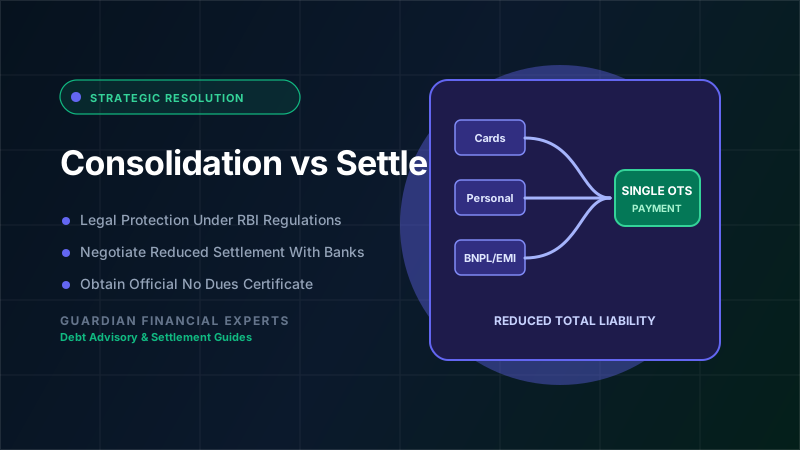
While structured debt consolidation—where high-cost loans are replaced with a single, lower-interest installment—can be a valid strategy, unorganized debt cycling does not lower your overall debt load. It merely shifts debt around while incurring extra processing fees and higher interest rates along the way.
Why Debt Cycling Quickly Becomes a Financial Trap
Relying on new credit to pay off old credit transforms temporary cash flow shortages into long-term financial instability for several key reasons:
1. Escalating Interest Rates and Processing Fees
New loans are rarely cheaper than existing ones—especially when taking out urgent personal loans or cash advances during financial hardship. Each new loan carries upfront processing fees, documentation charges, and higher risk-adjusted interest rates, instantly increasing your total debt balance.
2. Phantom Sense of Security
Paying off an immediate overdue notice with a fresh loan creates a false sense of accomplishment. Because the initial lender stops calling, you may feel your situation has improved. In reality, the core principal balance remains untouched while your overall monthly commitments have grown.
3. Rapid Credit Score Decline
As you open multiple new credit lines in a short timeframe, credit rating agencies register multiple hard inquiries on your credit report. Furthermore, your overall Credit Utilization Ratio (CUR) spikes, causing your CIBIL score to decline rapidly and signaling high risk to potential lenders.
Warning Signs That You Are Trapped in Debt Cycling
Recognizing the early warning signs of a debt trap is essential for taking corrective action before legal or recovery complications arise:
- You use credit cards to pay for daily living essentials because your salary goes entirely toward EMI payments.
- You apply for new personal loans or app-based credit specifically to prevent an upcoming EMI bounce.
- You regularly pay only the minimum amount due on revolving credit cards.
- You are borrowing money from family or friends to meet bank payment deadlines.
Breaking the Cycle: Strategic Steps Toward Real Recovery
If borrowing from one loan to pay another has become your default survival strategy, continuing down this path will eventually exhaust your borrowing options, leading to widespread default across all accounts. Breaking the cycle requires shifting from short-term fixes to structured resolution:
1. Stop Taking On New Credit Immediately
Freeze all new credit applications and stop using credit cards. Continuing to borrow while in financial distress only deepens the underlying deficit.
2. Distinguish Between Secured and Unsecured Liabilities
Prioritize your income toward mandatory secured obligations—such as your home loan—to protect your primary shelter. Unsecured liabilities, like credit cards or personal loans, should be addressed through formal restructuring or negotiated resolution rather than fresh borrowing.
3. Seek Professional Debt Resolution Support
When accumulated balances become mathematically unmanageable and routine budgeting can no longer bridge the gap, seeking structured assistance offers a safe path forward.
Partnering with an established loan settlement agency enables distressed borrowers to evaluate options under established banking frameworks. Professional organizations act as legal representatives, shielding borrowers from aggressive recovery practices and communicating directly with institutional creditors.
Engaging dedicated loan settlement services ensures that lenders pause compounding penal charges, freeze interest accrual, and review your financial hardship through official channels.
Reclaiming Stability Through Expert Negotiation
Consulting an experienced loan settlement expert provides clear leverage when multi-loan debts threaten your solvency. Through a structured loan settlement agreement, specialists negotiate a realistic one-time settlement (OTS) with banks and NBFCs. This process helps secure maximum waivers on accumulated late fees, penal interest, and outstanding principal balances, resulting in an official Settlement Sanction Letter and a No Dues Certificate (NDC).
Final Thoughts
Borrowing from one loan to pay another is a temporary bandage on a growing financial wound. By recognizing the dangers of debt cycling, prioritizing your core living needs, and seeking expert debt resolution guidance, you can break free from the cycle of debt and rebuild long-term financial stability.