Debt has become an unavoidable reality for many individuals and businesses in India. Rising living costs, medical emergencies, job losses, business slowdowns, and easy access to credit cards, personal loans, and app-based loans have pushed thousands of borrowers into financial distress. When EMIs become unmanageable and recovery pressure increases, debt settlement companies in India emerge as a structured solution for borrowers seeking legal and ethical debt relief.
This detailed guide explains how debt settlement companies work in India, when you should approach them, their benefits, risks, legality, and how to choose the right debt settlement partner.
What Are Debt Settlement Companies in India?
Debt settlement companies in India are professional financial service providers that negotiate with banks, NBFCs, and lenders on behalf of borrowers to settle outstanding debts at a reduced amount, based on the borrower’s financial hardship.
Instead of repaying the full outstanding loan amount including penalties and interest, a settlement allows borrowers to close the loan by paying a mutually agreed one-time amount or structured settlement, often significantly lower than the total dues.
These companies act as intermediaries and handle:
- Negotiations with lenders
- Legal communication
- Recovery agent harassment issues
- Settlement documentation and closure
Why Is Debt Settlement Growing in India?
India has witnessed a sharp rise in unsecured lending, especially:
- Personal loans
- Credit cards
- Business loans
- App-based and digital loans
With this growth, defaults have also increased. Many borrowers face:
- Multiple EMIs exceeding income
- Aggressive recovery calls
- Field visits and threats
- Legal notices and arbitration
Debt settlement companies provide a structured, lawful alternative to endless harassment and unmanageable repayments.
How Do Debt Settlement Companies Work?
1. Financial Assessment
The process begins with a detailed assessment of your income, liabilities, assets, and financial hardship.
2. Strategy Creation
A customised settlement strategy is created based on:
- Loan type
- Outstanding amount
- Age of default
- Lender behaviour
3. Negotiation with Lenders
Experienced negotiators engage with banks and NBFCs to:
- Reduce principal outstanding
- Waive penalties and interest
- Propose one-time settlement (OTS)
4. Legal & Harassment Support
If recovery agents violate RBI guidelines, the company:
- Sends legal notices
- Files complaints with banks, RBI, or police if required
- Ensures borrower dignity and privacy
Learn more about Anti-Harassment Support here: https://guardianfinancialexperts.com/ahls.html
5. Settlement Closure & NOC
Once payment is made:
- Loan account is closed
- No Dues Certificate (NOC) is issued
- Credit report updates follow
Types of Loans Debt Settlement Companies Handle
Debt settlement companies in India typically assist with:
- Personal Loan Settlement
- Credit Card Debt
- Business Loans
- App-based and Instant Loans
- Overdraft & Unsecured Credit
For a complete overview of services, visit:
https://guardianfinancialexperts.com/lss.html
Is Debt Settlement Legal in India?
Yes. Debt settlement is legal in India when conducted ethically and transparently.
RBI guidelines allow banks and NBFCs to:
- Offer One-Time Settlements
- Restructure loans in hardship cases
- Waive interest and penalties
However, borrowers must ensure they work with legitimate debt settlement companies, not fraudsters promising unrealistic guarantees.
Benefits of Hiring Debt Settlement Companies in India
✔ Reduced Debt Burden
Settle loans at a fraction of the original outstanding amount.
✔ Protection from Harassment
Stop illegal recovery calls and visits through legal intervention.
✔ Professional Negotiation
Banks respond better to structured, legally sound proposals.
✔ Stress Relief
One point of contact replaces multiple lenders and agents.
✔ Structured Financial Recovery
Many companies also help with credit score improvement post-settlement like Guardian Financial Experts.
Risks & Misconceptions About Debt Settlement
❌ “Debt settlement ruins credit forever”
False. Credit impact is temporary and recoverable with guidance.
❌ “Banks never agree to settlements”
False. Banks regularly approve settlements for genuine hardship cases.
❌ “Settlement is same as default”
Incorrect. Settlement is a formal closure, not an abandonment.
The key lies in choosing the right debt settlement company.
How to Choose the Best Debt Settlement Company in India
1. Transparency in Fees
Avoid companies that:
- Demand full fees upfront
- Promise guaranteed results
2. Legal Expertise
Ensure they provide:
- Lawyer-led communication
- Written documentation
3. RBI-Compliant Approach
Recovery handling must align with RBI Fair Practices Code.
4. Clear Process & Reporting
You should receive:
- Regular updates
- Settlement copies
- Closure confirmation
5. Genuine Client Support
A good company educates you, not pressures you.
Debt Settlement vs EMI Restructuring
| Feature | Debt Settlement | EMI Restructuring |
|---|---|---|
| Debt Reduction | Yes | No |
| Interest Waiver | Yes | Rare |
| Legal Closure | Yes | Partial |
| Credit Impact | Short-term | Medium-term |
Settlement is suitable when repayment is no longer viable, while restructuring works when income disruption is temporary.
When Should You Approach a Debt Settlement Company?
You should consider professional debt settlement help if:
- EMIs exceed 40–50% of income
- Loans are overdue for 90+ days
- Recovery harassment has begun
- Legal notices are received
- Mental stress is impacting daily life
Early intervention always results in better settlement terms.
Why Guardian Financial Experts Is a Trusted Name in Debt Settlement
Guardian Financial Experts provides:
- Ethical debt settlement solutions
- Legal harassment protection
- End-to-end settlement handling
- Credit rebuilding guidance
Explore services here: https://guardianfinancialexperts.com/contact.html
Frequently Asked Questions (FAQs)
Q. Does debt settlement stop recovery calls?
A. Yes, when handled legally and professionally.
Q. Can multiple loans be settled together?
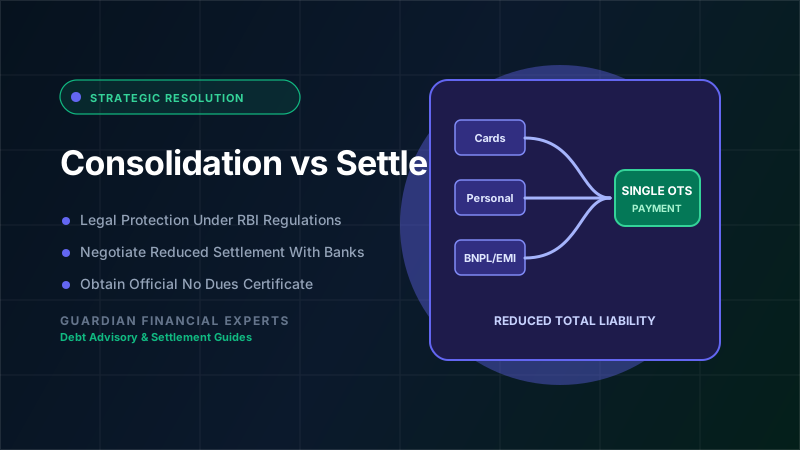
A. Yes, a consolidated settlement plan is possible.
Q. How long does debt settlement take?
A. Typically 3–12 months depending on lender and case complexity.
Q. Will banks issue NOC after settlement?
A. Yes, once settlement terms are fulfilled.
Final Thoughts
Debt settlement companies in India play a critical role in helping borrowers regain financial control during difficult times. When chosen wisely, they offer a lawful, dignified, and effective path to debt relief, free from harassment and endless pressure.
If debt has become overwhelming, remember—settlement is not failure; it is a strategic reset.
Ready to take the first step?
Speak with a trusted debt settlement expert today and reclaim your financial peace.