
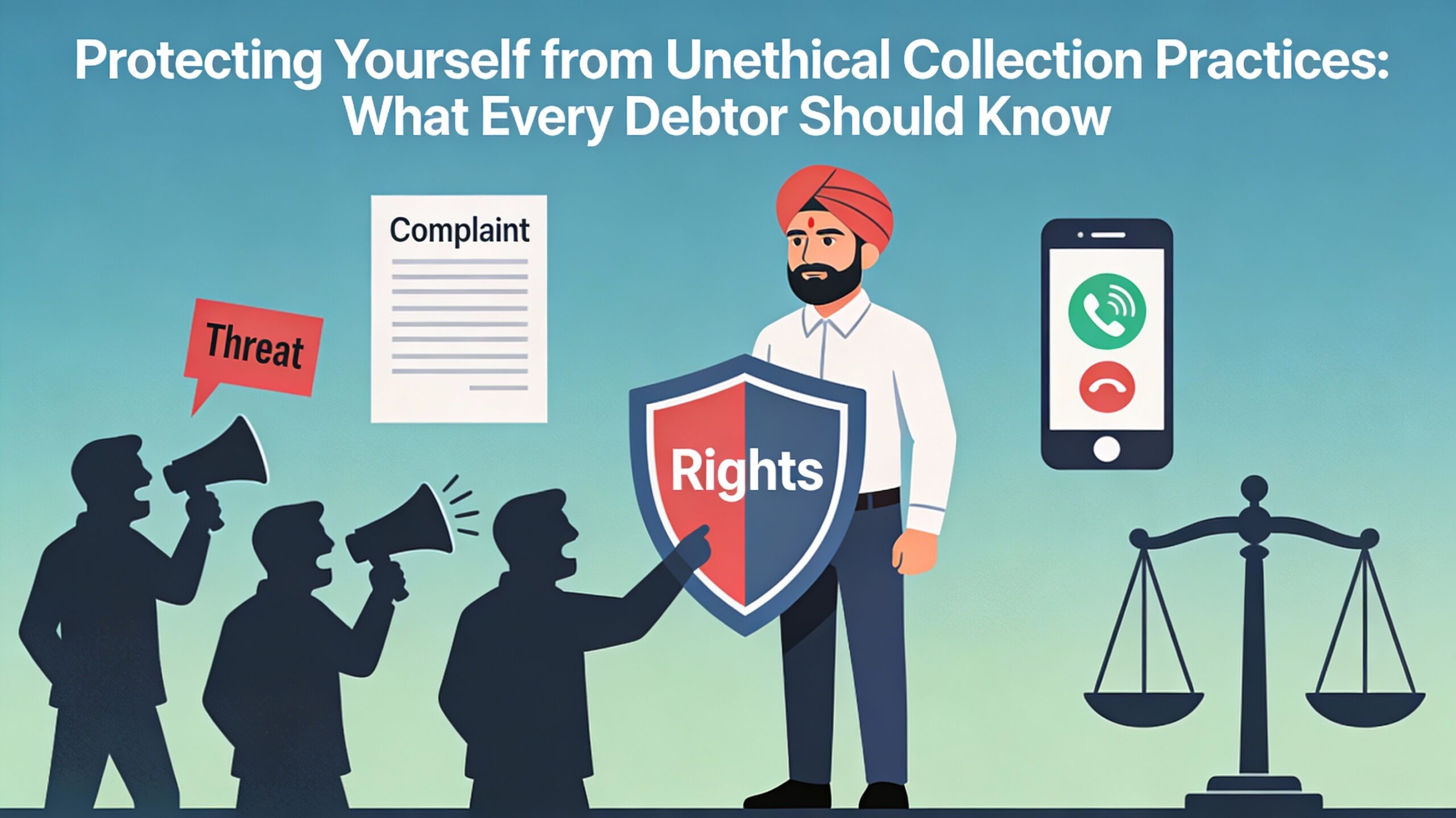
Protecting yourself from unethical collection practices starts with knowing your rights and recognising what behaviour is not acceptable. When you understand the rules that bind recovery agents and lenders, you are better placed to push back safely and confidently.
What Counts as Unethical Collection
Unethical collection practices are tactics that go beyond legitimate reminders and cross into harassment, intimidation, or public shaming. These methods are not just wrong—they can violate guidelines issued by regulators and, in many situations, basic legal protections.
- Repeated late-night calls, threats of violence, abusive language, or contacting your neighbours and employer to shame you fall into the harassment zone.
- Misrepresentation such as pretending to be a police officer, a court official, or threatening immediate arrest purely for non-payment of a civil loan is also a strong warning sign.
Your Basic Rights as a Debtor
Even if you have defaulted, you do not lose your dignity or fundamental rights. Debt recovery is a civil process, and there are limits to what lenders and their agents can do while trying to collect dues.
- You have the right to be treated respectfully, without abuse, threats, or humiliation in front of family, colleagues, or neighbours.
- You have the right to receive clear information about your outstanding amount, charges, notices, and the legal process being followed, rather than vague and frightening statements.
Recognising Red Flags in Collector Behaviour
Many borrowers tolerate behaviour that they should challenge because they assume “this is how recovery works.” Learning to spot red flags helps you act early instead of waiting until things escalate.
- Red flags include calls at odd hours, threats to circulate your photo or messages in WhatsApp groups, or insisting that you must pay “today itself or face jail tomorrow.”
- Demands for cash payments to individuals, refusal to give receipts, or pressure to sign blank papers or cheques are especially dangerous and should be refused outright.
Practical Steps to Protect Yourself
Protecting yourself is not about avoiding repayment; it is about handling the situation safely and in writing whenever possible. A calm, documented approach keeps you in control even when you are financially stressed.
- Communicate in writing (email, letters to the lender) wherever possible, so there is a record of what was said, what you can realistically pay, and any harassment you face.
- If calls become abusive, tell the caller you are willing to discuss repayment but will not tolerate harassment, then request that communication be routed through official channels such as email or branch visits.
When and How to Escalate
If unethical practices continue despite your reasonable cooperation, escalation becomes important. This is both to protect yourself and to create pressure on the lender or agency to correct its conduct.
- You can lodge a written complaint with the lender’s grievance cell, attaching call recordings, screenshots, or witness details, and ask for written action and a change of recovery agent.
- If the problem persists, you can escalate to the institution’s higher authorities or relevant regulatory and consumer grievance forums, and consider taking advice from a legal or debt-resolution professional for further steps.
By staying aware, documenting everything, and refusing to accept abuse as “normal”, you protect your dignity while still working towards resolving your debt. Responsible repayment and responsible collection must go together; knowing your rights ensures that one is never used as an excuse to crush the other.