
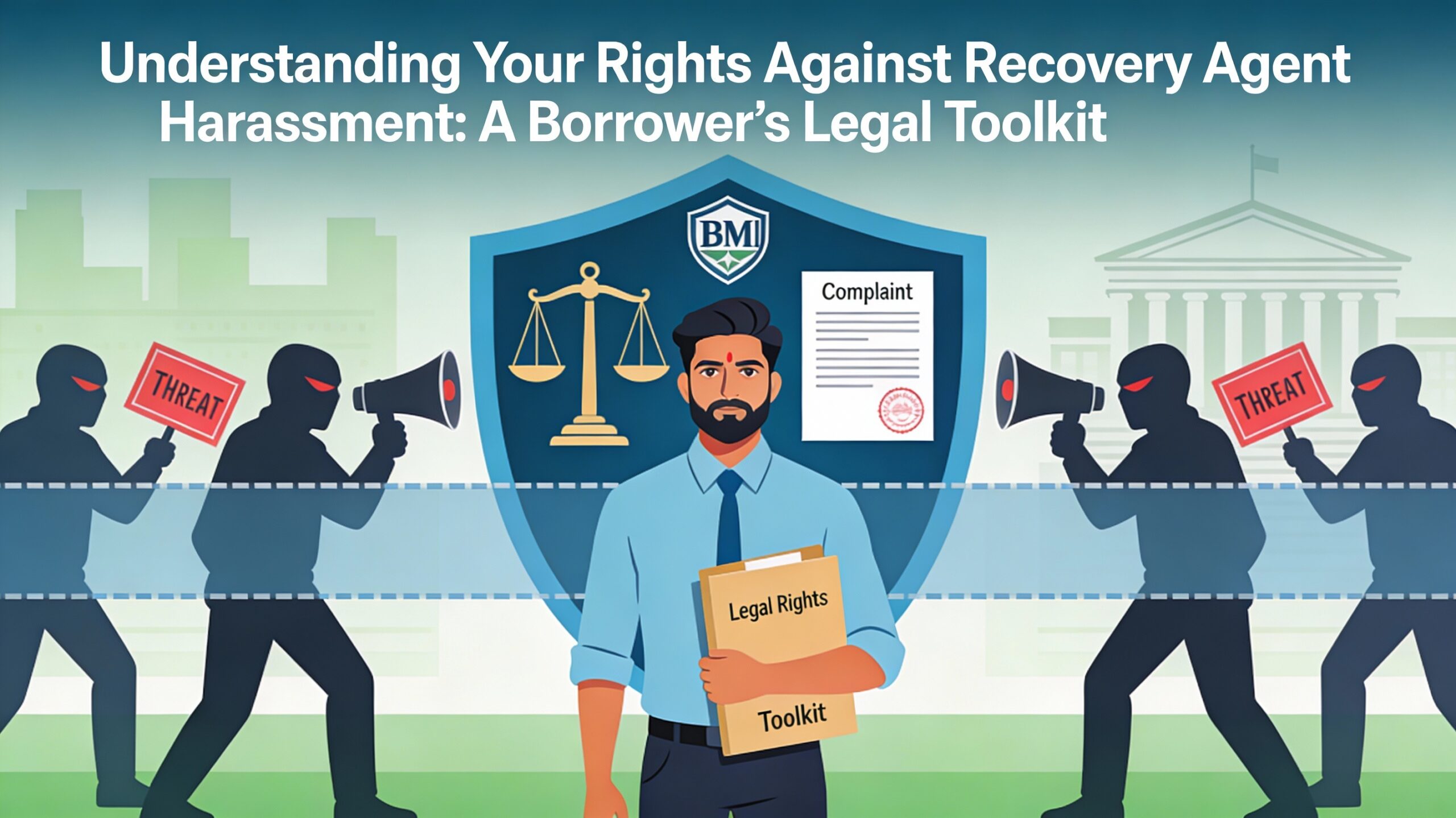
Understanding your rights against recovery agent harassment gives you both legal backing and emotional confidence when dealing with overdue loans in India. Even if you have defaulted, lenders and their agents must follow strict rules on how they contact and treat you.
What Counts as Harassment?
Harassment begins where legitimate recovery ends. Reminders and negotiation are allowed; intimidation and humiliation are not.
- Repeated calls at odd hours, use of filthy or threatening language, or pressuring your family, neighbours, or colleagues to shame you can amount to harassment.
- Showing up in groups to your home or workplace, creating a scene, or threatening arrest or physical harm for a civil loan default is not permitted under fair recovery norms.
Key Rights You Already Have
Indian regulators and courts have repeatedly emphasised that recovery must respect borrower dignity and privacy.
- You have the right to be treated with civility and respect, without abuse, public shaming, or coercion, even if you are in serious default.
- You have the right to clear information: written statements of dues, notices, and transparent breakup of interest, penalties, and charges—not vague verbal threats.
Contact Rules and Time Restrictions
There are limits on when and how agents can contact you, especially by phone or in person.
- Recovery calls are generally restricted to reasonable daytime hours; late-night or very early morning calls and constant ringing can be considered unfair and harassing.
- In-person visits are meant to be civil and infrequent; agents should carry and show valid authorisation and identity, and cannot force entry into your home.
What Recovery Agents Cannot Do
A “legal toolkit” begins with knowing what is clearly off-limits so you can push back with confidence.
- Agents cannot pose as police, court officers, or government officials, or threaten immediate arrest purely for non-payment of a civil debt.
- They cannot forcibly take assets without following proper legal process, cannot make physical threats or use violence, and cannot publicly disclose your debt in ways designed to humiliate you (such as group messages or posters).
How to Respond and Protect Yourself
Protection starts with staying calm, documenting everything, and insisting on proper channels of communication.
- Whenever possible, ask for written communication by email or letter and keep records of call logs, messages, and visit details; recordings and screenshots can become evidence later.
- If an agent becomes abusive, clearly say you are willing to discuss repayment but will not tolerate harassment, and note their name, number, and the time of call or visit.
Escalation Options and Complaints
If harassment continues despite your reasonable cooperation, you have multiple levels of recourse.
- First, write a complaint to the lender’s grievance cell or nodal officer, attaching proof (recordings, screenshots, witness statements) and ask for a different agent and adherence to guidelines.
- If the lender does not act, you can escalate to regulatory grievance mechanisms or approach a lawyer/consumer forum for relief, including restraining orders and, in serious cases, claims for compensation.
Combining Rights With a Repayment Plan
Exercising your rights does not mean refusing to deal with the debt. The strongest position comes from combining legal awareness with a realistic plan to resolve dues.
- Prepare a basic affordability statement—your income, essential expenses, and what you can pay—and share it in writing to show genuine intent, whether you seek restructuring, settlement, or a revised plan.
- Consider taking guidance from a financial or legal professional who understands both recovery rules and debt-resolution strategies, so your rights and your repayment approach work together.
Knowing this toolkit of rights helps you draw a clear line: you may owe money, but no one is allowed to strip you of dignity or safety while recovering it. When you respond firmly, keep records, escalate correctly, and work towards a fair repayment solution, you protect both your legal position and your peace of mind.