Can a Loan Settlement Expert Really Reduce Your Outstanding Loan Amount?

Yes, a loan settlement expert can genuinely reduce your outstanding loan amount, but only in specific conditions and with clear trade-offs—especially on your credit score and future borrowing ability. The reduction comes through formal negotiation with your bank or NBFC, not any illegal shortcut, and is usually treated as a “compromise settlement” or “one-time settlement” (OTS) under internal bank policies.​

How Banks Allow Reduced Payouts

Banks do not reduce dues out of generosity; they do it because settlement can sometimes be better than long, costly recovery with uncertain results. For stressed or non-performing accounts, lenders are allowed to accept less than the full outstanding and close the loan, as long as they follow their compromise settlement framework and RBI guidelines.​

  • In many cases, a significant part of the total outstanding is penal interest, late fees, and compounded interest, not just principal. Banks are often more flexible on waiving these components.​
  • For older NPAs or technically written-off loans, banks may accept a lower “recovery value” because they have already made provisions for the loss in their books.​

What Exactly Does a Settlement Expert Negotiate?

A loan settlement expert focuses on three big levers: waivers, restructuring/EMI relief, and one-time settlements. The actual reduction you see depends on your hardship, loan type, age of default, and the bank’s current policy.​

  • Waivers: Targeting penal interest, late fees, over-limit charges, and other add-ons that inflated your outstanding beyond principal plus base interest.​
  • EMI relief: Restructuring tenure and EMIs so you can continue paying, preventing further penalties and reducing total future interest versus endless irregular payments.​
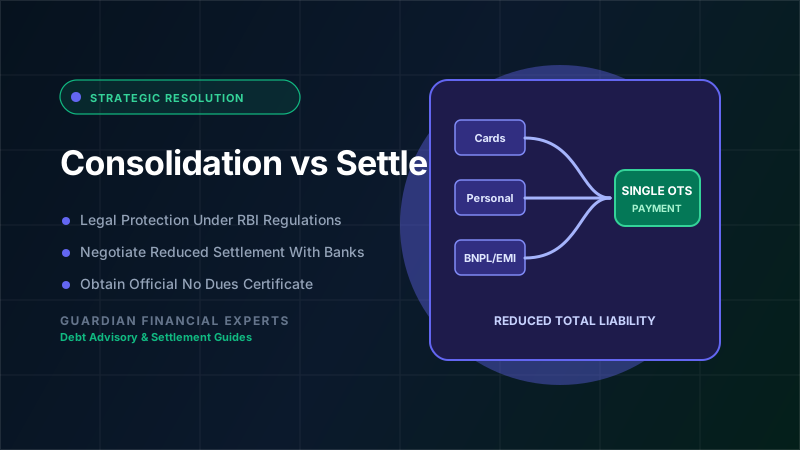
  • One-time settlement: Negotiating a lump-sum or short phased payment that is less than the book outstanding but acceptable to the bank as “full and final”.​

In real cases, this can translate into 20–60% reductions on the “headline” outstanding for severely stressed unsecured loans, though no specific percentage is guaranteed for everyone.​

How Do They Convince Banks to Agree?

The expert’s main skill is presenting your case as a realistic compromise: more than the bank might get after long legal action, but less than the full inflated due. They speak the bank’s language—policy, provisioning, recovery rate, and cost of litigation—rather than emotional appeals.​

  • They document genuine hardship (job loss, medical issues, business failure, etc.) so the file can withstand internal audit and committee review.​
  • They time negotiations with OTS drives or favourable policy windows when banks actively want to clean their NPA books.​
  • They escalate beyond front-line callers to the right approval authority, where waiver percentages and settlement amounts are actually decided.​

What Happens to Your Credit Score and Record?

Yes, your payable amount can drop—but your credit report will reflect it. After settlement, the account is usually marked “settled” or similar, not “closed”, which tells future lenders that you did not repay as per original terms.​

  • A “settled” status typically hurts your credit score for several years and can make fresh unsecured loans or credit cards harder to obtain in the short to medium term.​
  • If you opt for restructuring instead of settlement, the impact may be milder, but lenders will still see that the original contract had to be modified due to stress.​

A good expert will explain this clearly upfront so you use settlement as damage control, not a casual discount tool.

When Can an Expert Realistically Help?

A settlement expert is most effective when the loan is already in serious trouble—multiple missed EMIs, heavy penalties, recovery pressure, or early legal action. In these situations, a structured, documented reduction is usually better than drifting into indefinite default.​

  • Multiple unsecured loans or credit cards where total EMIs exceed your stable income even after strict budgeting.​
  • Genuine long-term income shock (job loss, business collapse, health issues) where full repayment is practically impossible.​
  • Old overdue accounts where the bank is more focused on recovering something quickly rather than chasing 100%.​

If your loan is still current or only slightly overdue, banks generally prefer rescheduling over heavy waivers, so “big discounts” are less likely.​

Reducing Your Loan vs. Avoiding Scams

“Up to 70% off” type marketing can be misleading if it promises guaranteed outcomes. No genuine expert can assure a fixed percentage reduction because final terms depend on the specific bank, scheme, loan age, and your documents.​

  • Be wary of anyone asking large upfront fees with promises of massive waivers regardless of your case.​
  • Always insist on written offers from the bank itself and ensure your settlement letter clearly says “full and final settlement” with amount, date, and no further liability.​

So yes, a loan settlement expert can really reduce your outstanding loan amount—but only by working within bank and RBI frameworks, usually after your loan turns genuinely stressed, and always with a cost to your credit report that you must understand and accept before you decide.​

Leave a Reply

Your email address will not be published. Required fields are marked *

Proudly powered by WordPress | Theme: Cute Blog by Crimson Themes.