
It is not possible to access external data or real client files right now, so the following case studies are illustrative examples based on common patterns seen in loan settlement practice rather than actual named borrowers.
Case Study 1: High-Value Personal Loan and Credit Card Trap
A salaried professional with a high-value personal loan and multiple credit cards began missing EMIs after a pay cut and medical expenses. Collection calls escalated, and several accounts turned overdue at the same time, causing serious stress.
A loan settlement expert first mapped the entire debt picture—personal loan, cards, and other obligations—then separated essential living costs from discretionary spending to calculate realistic repayment capacity. The expert negotiated reduced EMIs for the main personal loan and structured settlements on two costliest credit cards, with part of the interest and penalties waived in exchange for lump-sum payments over a defined period.
Over 18–24 months, the borrower cleared the agreed settlements and maintained the new EMIs on time. Although the credit report reflected “settled” status on some cards initially, consistent future payments and disciplined usage led to gradual credit score improvement, allowing the borrower to qualify later for a smaller, affordable loan on better terms.
Case Study 2: Small Business Owner Facing NPA and Legal Threat
A small manufacturing business took a term loan and working capital limit based on strong earlier revenues. When orders dropped and a key customer delayed payments, the business could not service EMIs; the main account slipped toward NPA, and legal recovery notices were issued by the bank.
The loan settlement expert examined loan documents, security offered, and cash flow projections, then identified that the business could survive if immediate pressure reduced and future payments aligned with more conservative revenue assumptions. Working with the borrower, the expert prepared a restructuring and partial one-time settlement proposal: a reduced lump-sum payment funded by selling idle machinery, plus a longer tenure on the remaining loan.
After multiple rounds of negotiation, the bank agreed to the combined structure and paused aggressive recovery steps. The business stabilized with lower monthly debt servicing, and the owner focused on rebuilding orders. While the credit profile showed stress history, clear documentation and eventual timely payments positioned the borrower better for future working capital from more cautious lenders.
Case Study 3: Multiple Unsecured Loans After Job Loss
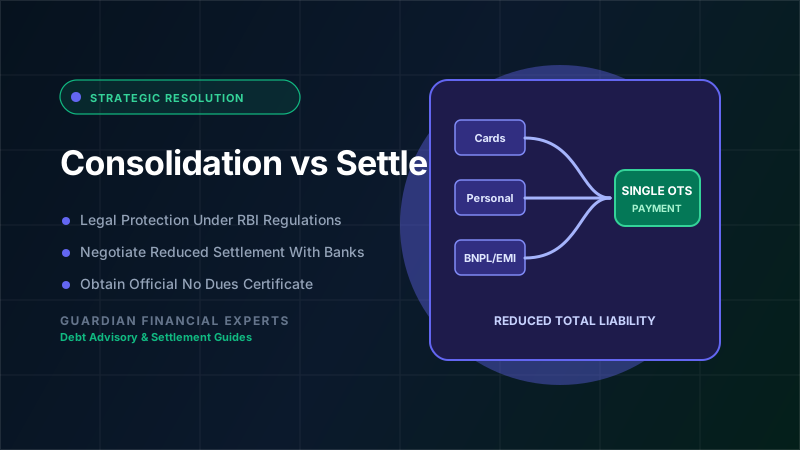
An IT professional had taken several unsecured consumer loans and used multiple BNPL/EMI schemes during stable employment. A sudden job loss led to immediate EMI defaults, rapid credit score decline, and intense follow-up by different lenders. The borrower considered taking another informal loan at very high interest just to “silence” some lenders.
The loan settlement expert intervened by stopping that cycle of fresh expensive borrowing and instead prioritized debts. Secured obligations (like rent and family essentials) were protected first, and non-essential EMIs were placed into a negotiation track. The expert grouped similar unsecured loans, opened communication with each lender, and proposed realistic settlements or temporary low EMIs based on the borrower’s current freelance income and expected job search timeline.
Within about a year, several smaller unsecured loans were settled on reduced amounts, and others were brought back to regular status after the borrower found new employment. The expert then helped design a post-crisis budget and a plan to rebuild credit through limited, carefully managed new credit rather than repeating high-consumption behavior.
Case Study 4: Family Facing SARFAESI Action on Home Loan
A family’s home loan turned severely overdue after the main earner’s business failed. The lender issued SARFAESI notices and threatened possession and auction of the house. The family was emotionally overwhelmed and unsure whether to fight legally, sell the house themselves, or wait.
A loan settlement expert, working alongside a lawyer, reviewed the notices, timelines, and valuation. They helped the family communicate a clear intent to resolve while challenging certain procedural aspects through legal channels. In parallel, the expert negotiated a one-time settlement based on a realistic sale value that the family could obtain by selling another non-essential property plus a smaller amount from relatives.
The bank agreed to accept this OTS, and the SARFAESI process was halted once payments were completed. The family avoided a distress auction and retained their primary home, while formal closure documentation and updated credit reporting reduced the risk of lingering disputes.
Case Study 5: Over-Extended Entrepreneur Rebuilding After Settlement
An entrepreneur accumulated multiple business loans and personal guarantees during a rapid expansion phase. When the market turned and revenue collapsed, several loans defaulted, and the personal guarantees brought pressure on personal assets and reputation.
The loan settlement expert first prioritized which lenders posed the highest risk (due to security, guarantee enforcement, or legal posture) and grouped others for later negotiation. Through structured discussions, some lenders accepted phased one-time settlements; others agreed to write off part of accumulated penal interest in exchange for a committed repayment schedule supported by projected new business and personal income.
After the immediate crisis, the expert continued working with the entrepreneur on a conservative financial plan: smaller, leaner business operations, strict separation of personal and business expenses, and careful use of any future credit. Over time, this allowed the entrepreneur to re-enter business activity with fewer liabilities and a clear understanding of borrowing limits, transforming a near-collapse into a measured restart.
These examples show how a loan settlement expert can turn scattered debts, legal threats, and emotional stress into structured negotiation, documented settlements, and long-term financial rebuilding, which are difficult for most borrowers to achieve alone during a crisis.
Explore Bank-Specific Resolution & Debt Relief Services
Facing debt recovery notices, escalating interest, or multiple EMI defaults? Navigate our authoritative settlement guides and legal resolution procedures tailored for Indian borrowers:
HDFC Bank Loan Settlement
Personal loan & credit card OTS procedures, waiver rules, and recovery resolution.
SBI Loan Settlement Process
State Bank of India compromise settlement, NPA resolution, and Lok Adalat guidelines.
ICICI Bank Loan Settlement
Resolution for overdue credit cards, personal loans, and third-party recovery defense.
Bajaj Finance Debt Settlement
NBFC overdue loan settlement, bounce charges negotiation, and NDC documentation.
Credit Card Settlement Services
Stop 40%+ compounding APR and settle high-balance credit cards with structured waivers.
Personal Loan Settlement
Resolve multiple unsecured loans, fintech apps, and salary defaults with legal protection.
Anti-Harassment Legal Support
Enforce RBI fair practice code to halt abusive recovery calls, threats, and illegal visits.
CIBIL & Credit Score Improvement
Step-by-step roadmap to rebuild credit rating from 'Settled' status back to 750+.
Every loan case is unique. If you are experiencing EMI pressure or receiving recovery notices, our team is available for a confidential consultation.