
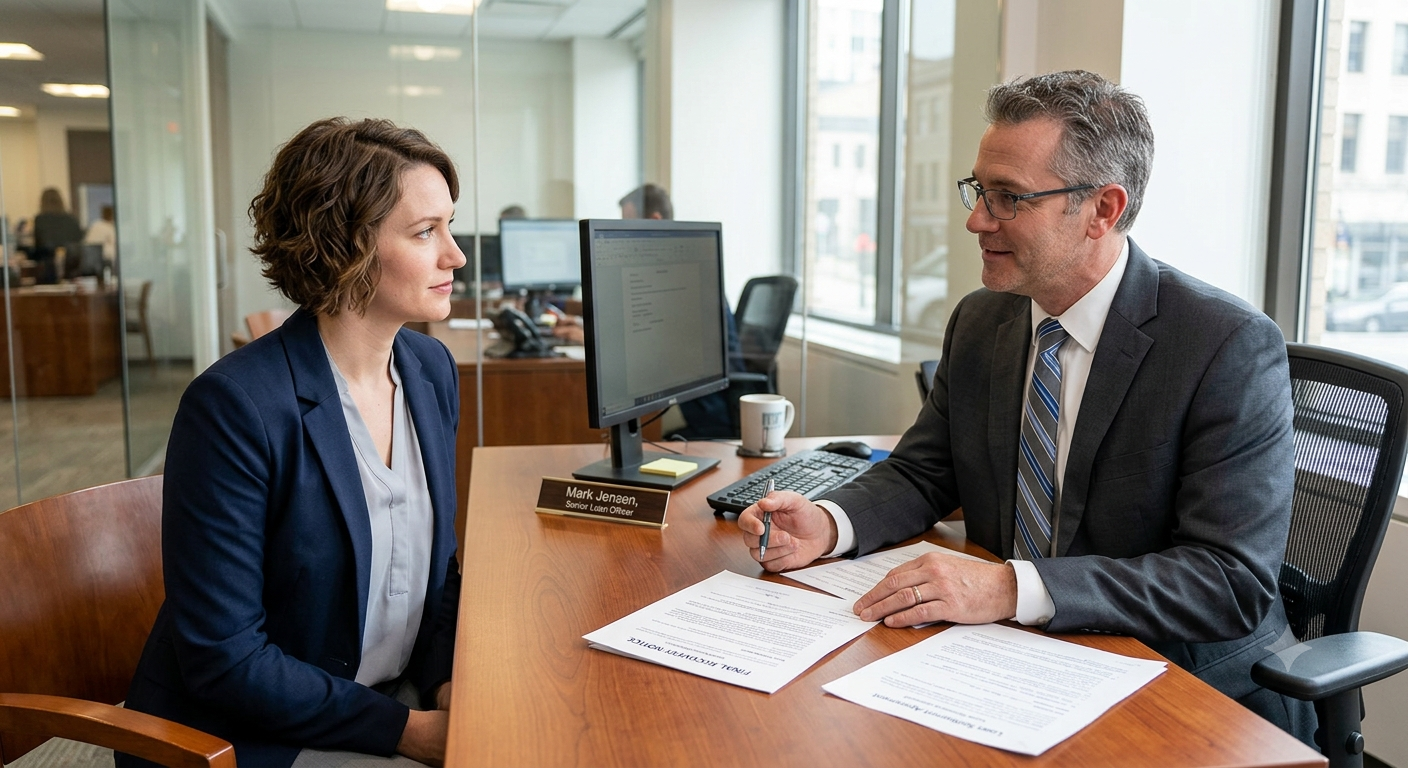
Receiving a Final Recovery Notice from a bank, Non-Banking Financial Company (NBFC), or advocate is an intimidating experience. Written in formal legal language, these notices often threaten legal action, asset attachment, or court summons under statutes like the SARFAESI Act, Debt Recovery Tribunal (DRT) procedures, or Section 138 of the Negotiable Instruments Act.
When faced with an urgent legal demand, borrowers in financial distress panic, assuming their chances of negotiation are over.
If you have received a demand letter, a critical question arises: Can you still settle a loan after receiving a final recovery notice?
The short answer is yes. In fact, a final recovery notice is often the catalyst that opens the formal door to a One-Time Settlement (OTS).
What a Final Recovery Notice Actually Means
To negotiate effectively, you must understand why banks issue final recovery notices:
+-------------------------------------------------------------------------------+
|                    RECOVERY NOTICE & SETTLEMENT WORKFLOW                      |
+-------------------------------------------------------------------------------+
| Stage 1: Soft Collections (1-90 Days Overdue) --> Tele-Calling & Reminders   |
| Stage 2: NPA Classification (90+ Days)       --> Legal Notices Issued         |
| Stage 3: Final Recovery Notice Issued        --> Urgent Settlement Opportunity|
| Stage 4: Formal OTS Negotiation              --> Court Withdrawal & NDC       |
+-------------------------------------------------------------------------------+
A final recovery notice indicates that your loan has defaulted past 90 days and has been classified as a Non-Performing Asset (NPA).
While the letter sets a strict deadline to pay the full outstanding balance, it also serves as the bank’s final attempt to recover funds without incurring heavy legal expenses. For financial institutions, court proceedings take time and resources. Lenders prefer negotiating a compromise settlement over drawn-out legal battles.
Key Steps to Settle a Loan After Receiving a Recovery Notice
If you receive a final recovery demand, take these structured steps immediately to prevent legal escalation and negotiate a settlement:
1. Respond Formally with a Legal Reply
Never ignore a final recovery notice. Ignoring legal notices can lead to ex-parte court orders. Engage a professional or legal representative to send a formal reply to the bank’s legal counsel within the stipulated timeframe (usually 7 to 15 days). State your genuine financial hardship and express your willingness to resolve the debt amicably through a One-Time Settlement.
2. Audit Your Statement of Account (SOA)
Request an official Statement of Account from the home branch. Separate your core unpaid principal balance from accumulated penal interest, late payment fines, and legal charges added after default. In a settlement, your target should be a 100% waiver of penal charges along with a discount on the base principal balance.
3. Submit a Documented Hardship Application
Submit a formal settlement proposal to the bank’s Nodal Officer or Legal Recovery Desk. Include objective proof of financial distress—such as medical records, business loss statements, salary reduction slips, or pink slips—proving that your default was involuntary.
4. Negotiate Court & Case Withdrawals
If the final notice involves active legal filings (such as cheque bounce complaints under Section 138 or NACH defaults under Section 25), demand that the settlement agreement explicitly mandates the unconditional withdrawal of all court cases upon payment of the agreed sum.
5. Demand an Official Settlement Sanction Letter
Never transfer funds based on verbal assurances from recovery officers. Payment should only be remitted after the bank issues an official Settlement Sanction Letter printed on bank letterhead confirming that the compromised sum constitutes full and final satisfaction of the account.
Receiving a Recovery Notice: Ignoring vs. Negotiating
| Action | Ignoring the Final Notice | Negotiating an OTS |
| Legal Outcome | Court summons, arrest warrants, asset attachment | Full legal case withdrawal |
| Out-of-Pocket Cost | Full balance + penal charges + court costs | Discounted lump-sum (20% to 60% savings) |
| Penal Fees | Compounding monthly penalties | 100% Waived |
| Final Status | Active legal default | Account marked “Settled” with NDC |
Essential Resources for Handling Legal Notices
Navigating legal notices, managing court summons, and securing valid sanction letters require specialized financial and legal protection. Explore these dedicated resources for guidance:
- Evaluate legal notices and defense strategies alongside a certified loan settlement expert.
- Explore comprehensive legal defense and negotiation plans via loan settlement services.
- Learn how to draft formal hardship replies using complete loan settlement guides.
- Protect yourself from harassment and court proceedings by partnering with a trusted loan settlement agency.
- Review your final recovery notices and statements alongside an accredited loan settlement expert.
- Eliminate illegal bounce fees and negotiate principal waivers through specialized loan settlement services.
- Manage court filings and arbitration notices supported by an established loan settlement agency.
- Understand bank recovery guidelines and RBI compromise policies with professional loan settlement advice.
- Safeguard your assets and legal rights with direct assistance from a skilled loan settlement expert.
- Obtain institutional legal representation and bank escalation through dedicated loan settlement services.
- Secure your official No Dues Certificate (NDC) and complete case withdrawals with an experienced loan settlement agency.
Final Thoughts
Receiving a final recovery notice does not mean you have lost the ability to negotiate. It is often the prime moment to present a structured hardship proposal, halt legal action, eliminate penal charges, and settle your loan for a manageable amount. By acting promptly, responding in writing, securing a formal sanction letter, and obtaining a No Dues Certificate, you can protect your rights and achieve lasting peace of mind.