Loan Recovery Agent Visit at Home: What Borrowers Should Know Before Responding

Facing financial distress and defaulting on loan EMIs or credit card dues is stressful enough. When debt collection escalates to a home visit from loan recovery agents, it can trigger intense anxiety, confusion, and fear for borrowers and their families.

While banks and Non-Banking Financial Companies (NBFCs) have a legal right to recover overdue funds, recovery agents must follow strict regulatory guidelines established by the Reserve Bank of India (RBI). Borrowers possess clear legal rights and protections during home visits.

Understanding these rights and knowing how to respond before agents arrive at your doorstep is essential for protecting your dignity and privacy.

RBI Guidelines on Home Visits by Recovery Agents

The Reserve Bank of India has established stringent regulations regarding the conduct of recovery agents during home visits. Key guidelines include:

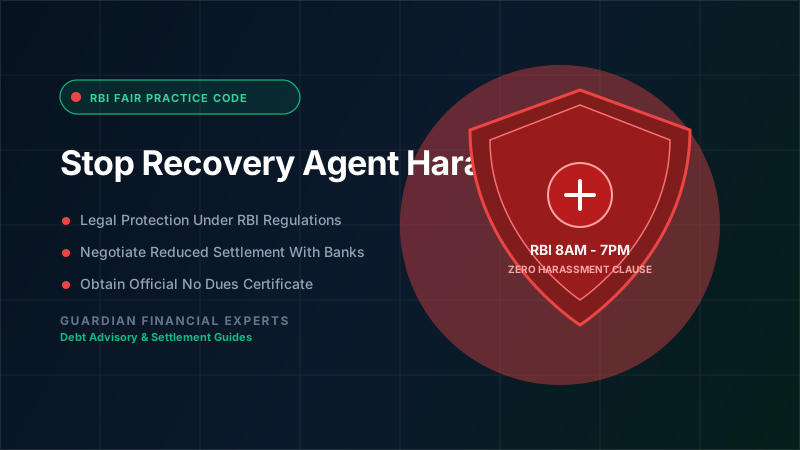
  • Permitted Hours: Recovery agents are permitted to visit a borrower’s residence only between 8:00 AM and 7:00 PM. Visits outside these hours are strictly prohibited.
  • Mandatory Identification: Before initiating any conversation, agents must present an official ID card issued by the lending institution or recovery agency, along with an official authorization letter from the bank.
  • Respectful Conduct: Agents must maintain professional conduct. The use of intimidation, verbal abuse, threat of physical harm, or public humiliation is illegal under RBI rules and the Indian Penal Code.
  • Privacy Restrictions: Agents cannot discuss your debt details with neighbors, family members, or third parties without your explicit consent.

Essential Steps to Take Before and During an Agent Visit

When a recovery agent arrives at your home, staying calm and following a structured approach prevents escalation:

1. Verify Credentials First

Do not allow agents inside your home or engage in discussion until you inspect their physical ID card and the bank’s authorization letter. Take a clear photograph or note down their name, agency name, and agent ID number.

2. Record the Interaction

You have the right to record audio or video of the interaction on your smartphone. Inform the agents politely that the conversation is being recorded for mutual safety and factual accuracy. This deters unprofessional behavior.

3. Maintain Calm and Polite Communication

Avoid getting drawn into emotional arguments or physical altercations. Politely explain your current financial situation, state your intention to resolve the debt through official channels, and avoid making unverified verbal payment commitments.

4. Never Hand Over Cash

Do not pay cash directly to recovery agents unless they provide an official bank receipt on the spot. Request a digital payment link generated directly by the bank or make payments online via verified banking portals.

What to Do If Recovery Agents Violate RBI Guidelines

If recovery agents engage in abusive language, unauthorized visits, or harassment:

  • File an Official Complaint with the Bank: Send a written complaint to the bank’s Nodal Officer detailing the date, time, and nature of the agent’s misconduct.
  • Escalate to the Banking Ombudsman: If the bank fails to resolve your grievance within 30 days, submit a formal complaint to the RBI Banking Ombudsman online.
  • Lodge a Police Complaint: In cases of severe threats, harassment, or physical trespass, file a formal complaint at your local police station under relevant sections of the law.

How to Resolve Defaulted Accounts Permanently

While managing recovery agent visits addresses immediate interactions, resolving the underlying default is the only long-term solution to recovery calls and home visits.

When debt becomes unmanageable due to genuine financial hardship, partnering with an established loan settlement agency helps you resolve outstanding liabilities safely. Professional agencies act as legal intermediaries to shield borrowers from harassment while negotiating formal compromise terms with lenders.

Engaging dedicated loan settlement services ensures that banks freeze aggressive recovery proceedings and route all communications through structured legal channels.

Restoring Peace Through Formal Negotiation

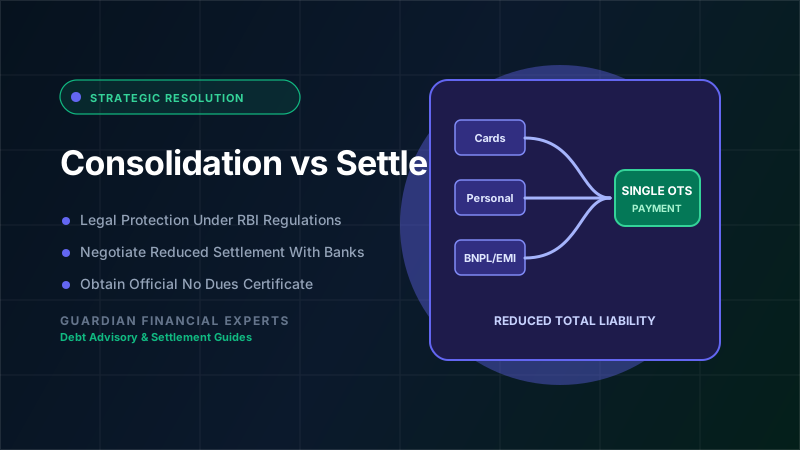
Consulting a qualified loan settlement expert enables you to evaluate your total liabilities and construct a realistic resolution strategy. Through a structured loan settlement procedure, banks may waive penal charges, freeze compounding interest, and agree to a reduced lump-sum payoff in exchange for issuing an official No Dues Certificate (NDC).

Resolving defaulted loans through formal compromise halts recovery agent visits permanently and sets a clear timeline for financial recovery.

Final Thoughts

A recovery agent’s visit to your home can be intimidating, but knowing your rights changes the dynamic entirely. Remember that you are protected by clear RBI guidelines against harassment. By standing firm on your rights and pursuing formal debt resolution solutions, you can handle recovery visits calmly and work toward total debt freedom.

Leave a Reply

Your email address will not be published. Required fields are marked *

Proudly powered by WordPress | Theme: Cute Blog by Crimson Themes.